

Why Solar Production Can Change in Fall
A drop in solar production during fall does not automatically mean something is wrong with the system. As the season changes, San Diego receives fewer daylight hours and the sun sits lower in the sky than during summer, which can reduce the amount of solar energy available to the panels.
The important question is whether the change follows a normal seasonal pattern or appears suddenly without a clear reason. Dirty panels, new shading, inverter problems, wiring issues, or other system conditions can also reduce output and may require closer attention.
How Much of a Fall Drop Can Be Normal?
Solar production naturally changes throughout the year. A system that produces more energy during long summer days may generate less as daylight shortens and the sun angle changes.
Weather also matters. Cloud cover, haze, and day-to-day sunlight conditions can cause normal fluctuations in production. For that reason, homeowners should compare current performance with similar periods rather than expecting summer-level output throughout fall.
A steady seasonal decline can be normal. However, if production drops suddenly or stays noticeably below the system’s usual seasonal pattern, West Coast’s solar panel inspection in San Diego can help determine whether shading, panel condition, inverter performance, wiring, or another system issue is affecting output.
Common Causes of Lower Solar Output
Several factors can reduce solar production, and not every drop points to a system fault. Seasonal sunlight, panel condition, shading, and inverter performance should all be considered when output falls below the expected range.
- Seasonal Sunlight Changes
Shorter days mean fewer hours available for solar generation. The lower fall sun angle can also change how directly sunlight reaches a fixed rooftop array.
These seasonal changes affect all solar systems to some degree and should be considered before assuming the equipment has failed.
- Dust, Dirt, or Debris on the Panels
Dust, pollen, bird droppings, leaves, and other debris can reduce the amount of sunlight reaching the solar cells.
San Diego’s dry conditions, windblown debris, and coastal exposure can allow buildup to collect on panel surfaces over time. If dirt or debris appears to be affecting performance, West Coast’s solar panel maintenance in San Diego includes panel cleaning, system inspection, and performance checks to help determine whether maintenance is needed.
- New or Increased Shading
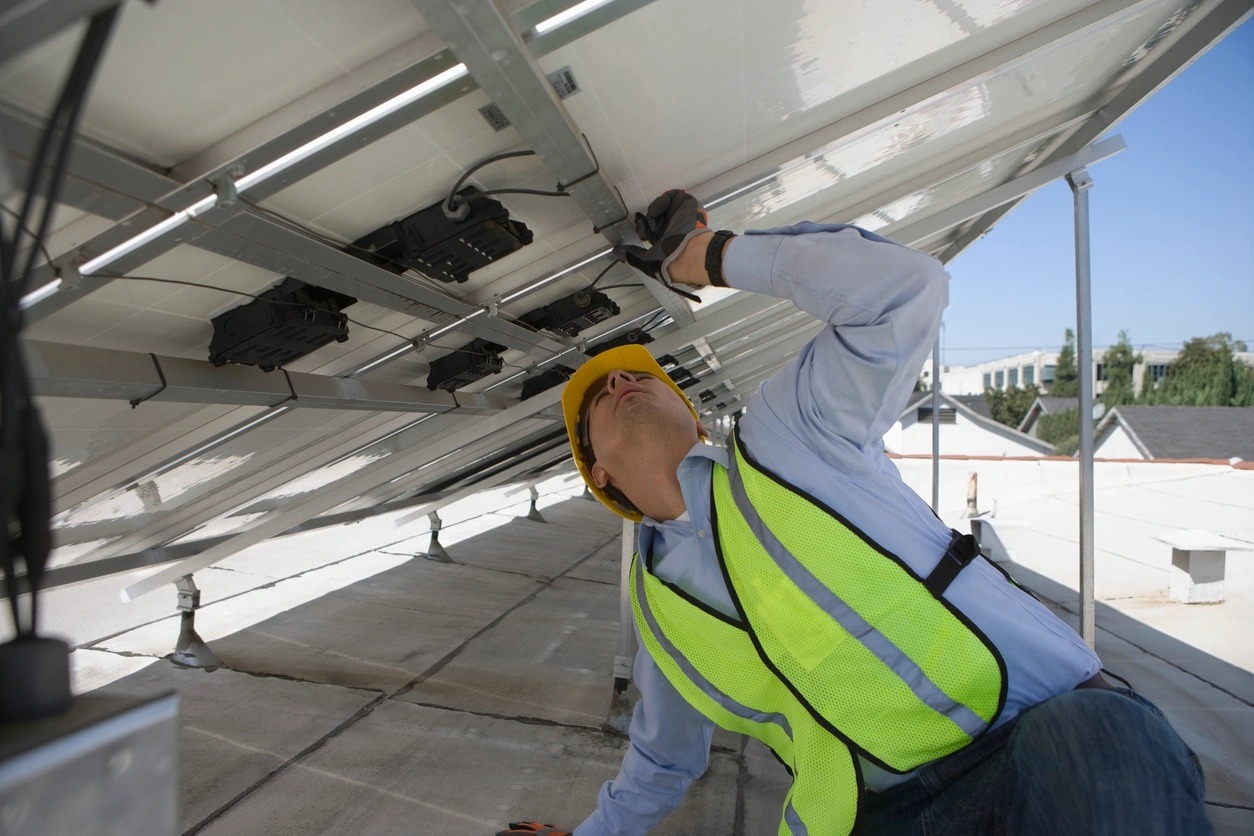
Shading patterns can change as the sun moves lower in the sky during fall. Trees, neighboring structures, roof features, or nearby objects that caused little interference in summer may cast longer shadows later in the year.
West Coast’s solar maintenance service includes shading analysis when landscaping or surrounding conditions may be affecting system performance.
- Inverter Performance Problems
The inverter converts the electricity produced by the panels into power that can be used by the home. If it develops a fault, reports an error, or stops converting power correctly, overall production may decline.
Warning signs can include error codes, repeated shutdowns, abnormal displays, or a sudden production drop that does not match weather conditions. West Coast’s solar inverter services in San Diego cover inverter diagnosis and repair when the system is not performing normally.
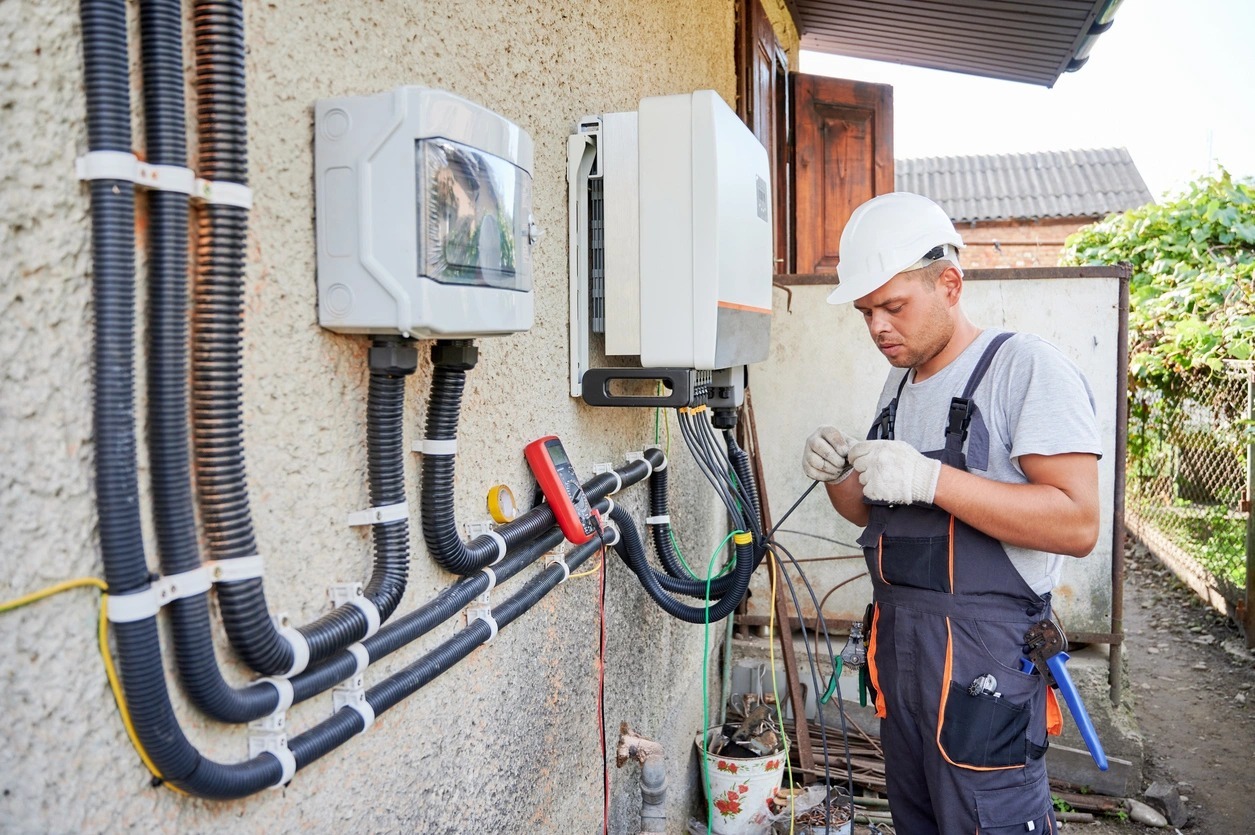
Wiring or Other System Conditions
Loose connections, damaged wiring, component wear, or individual panel problems can also affect production.
These issues are not always visible from the ground and should not be investigated by opening electrical equipment. West Coast’s maintenance service specifically includes wiring, connection, inverter, optimizer, and performance checks.
What Can Homeowners Check?
Before assuming the solar system needs repair, homeowners can make a few basic observations:
✓ Compare current production with similar recent days
✓ Check whether cloudy or hazy weather explains the change
✓ Look for visible leaves, dirt, or debris from the ground
✓ Note whether new tree or building shadows reach the panels
✓ Review the monitoring app for alerts or sudden production changes
✓ Check whether the inverter is displaying a warning or error
Avoid walking on the roof, opening inverter covers, or handling solar wiring. Solar equipment contains electrical components that should be inspected by qualified technicians.
When Should Lower Solar Output Be Inspected?
A solar inspection may be appropriate when production drops suddenly, remains below the system’s normal seasonal pattern, or is accompanied by inverter warnings, visible panel damage, or unexplained monitoring changes.
West Coast’s solar panel inspection in San Diego is designed to identify issues such as inverter problems, damaged panels, wiring concerns, soiling, shading, and other conditions that may reduce energy output. If the cause is unclear, schedule a solar system evaluation with West Coast Heating Air Solar & Plumbing to determine whether the decline is seasonal or related to a system issue.
Frequently Asked Questions
Is Lower Solar Production Normal in Fall?
Some decline can be normal as daylight hours shorten and the sun angle changes. Production should still follow a reasonably consistent seasonal pattern for the system.
Can Dirty Solar Panels Reduce Output?
Dust, dirt, bird droppings, and other debris can block sunlight and reduce production. The impact depends on how much buildup is present and where it is located.
Can Shade Affect Solar Panels More in Fall?
Yes. A lower seasonal sun angle can create longer shadows from trees, buildings, and roof features that may not have affected the array as much during summer.
Can an Inverter Cause Low Solar Production?
An inverter problem can reduce or interrupt energy production. Error codes, repeated shutdowns, or unexpected monitoring changes should be checked.
When Should I Schedule a Solar Inspection?
Consider an inspection when production drops suddenly, remains unusually low, or cannot be explained by seasonal sunlight, weather, dirt, or temporary shading.
Keep Your Solar System Performing Through Fall
Lower solar output in fall can reflect normal seasonal changes, but a sudden or persistent decline may point to dirt, shading, inverter performance, wiring, or other system conditions.
If your solar production remains lower than expected, West Coast Heating Air Solar & Plumbing can inspect the system and identify what may be affecting performance. Schedule a solar panel inspection with West Coast Heating Air Solar & Plumbing if the drop continues without a clear seasonal explanation.