

.svg)
.svg)


How Summer Heat Can Affect Solar Inverter Performance
During summer, solar panels often receive long hours of strong sunlight, which can support higher daytime electricity production. At the same time, prolonged outdoor heat can create demanding operating conditions for the solar inverter.
The inverter converts the direct current produced by solar panels into alternating current that can be used in the home. This conversion naturally produces heat. When surrounding temperatures are already high, the inverter must manage additional thermal stress while processing solar energy.
For homeowners in San Diego and throughout San Diego County, extended periods of strong sunlight combined with high daytime temperatures can make summer inverter performance especially important to monitor.
Most modern inverters are designed with temperature-management features, but unusually high operating temperatures may still contribute to reduced output, temporary shutdowns, or warning messages.
Common Summer-Related Solar Inverter Problems
Several conditions can affect inverter performance during periods of high heat.
‣ Thermal Derating
Some inverters are designed to reduce power output when internal temperatures reach certain limits. This protective response, known as thermal derating, helps prevent excessive heat from stressing internal components.
A temporary reduction during extreme conditions does not always mean the inverter is failing. Repeated or significant production losses should be evaluated.
‣ Poor Ventilation Around the Inverter
Solar inverters need adequate space to release heat during normal operation. Restricted airflow around the equipment can make heat dissipation more difficult.
Stored items, debris, or installation conditions that interfere with manufacturer-specified clearance and airflow requirements may contribute to higher operating temperatures.
‣ Electrical or Component Problems
High summer temperatures do not directly cause every inverter fault, but heat may make an existing equipment or electrical issue more noticeable.
Aging components, loose connections, wiring concerns, or internal faults can also affect inverter performance. These conditions should be professionally diagnosed rather than attributed to temperature alone.
‣ Monitoring or Communication Issues
A drop in reported solar production does not always mean the inverter itself has failed. Communication problems between the inverter and monitoring platform can sometimes create missing or inaccurate production information.
The actual system should be checked before assuming that a monitoring alert represents equipment failure.
Warning Signs That Need Professional Attention
Solar inverter problems are often first noticed through monitoring data, system alerts, or unexpected changes in production.
Homeowners may notice:
- Repeated inverter error messages
- Unexpected shutdowns or restarts
- Unusual drops in solar production
- Overheating or temperature warnings
- Buzzing, clicking, or unusual fan noise
- Monitoring-system alerts
- Loss of communication with the monitoring platform
A single unusual reading may not indicate a serious problem. However, repeated errors, shutdowns, or production changes deserve closer evaluation.
For recurring inverter errors, unexpected shutdowns, or unexplained production changes, Review West Coast Heating, Air Conditioning & Solar’s solar inverter services in San Diego to learn more about professional evaluation, maintenance, repair, and replacement options based on the condition of the system.
What Homeowners Can Safely Check
Homeowners can make several useful observations without opening the inverter or attempting electrical repairs.
Check for:
- Error messages displayed by the inverter
- Alerts in the solar monitoring app
- Whether production drops mainly during the hottest part of the day
- Objects or debris blocking space around the inverter
- Unusual sounds during operation
- Repeated shutdowns under similar conditions
Comparing current solar production with the system's normal pattern can also provide useful information for a technician.
Do not remove inverter covers or attempt internal electrical repairs. Solar inverters contain energized components that should be inspected by qualified professionals.
Can High Temperatures Reduce Solar Production?
High temperatures can affect solar-system output in more than one way. Solar panel performance can vary with temperature, while some inverters may reduce output when internal temperatures become high enough to trigger protective controls.
Lower production during hot weather does not automatically mean the inverter needs replacement.
Shading, dirty panels, electrical problems, monitoring issues, equipment condition, and normal weather variation can also affect system output.
If production consistently falls below normal expectations or the inverter repeatedly reports faults, professional diagnosis can help identify the actual cause. Homeowners can learn more about professional solar panel maintenance in San Diego, including performance monitoring, inverter inspection, wiring checks, and system diagnostics that can help identify the source of reduced solar production.
Why Inverter Ventilation and Professional Inspections Matter
Proper operating conditions can help an inverter manage the heat created during normal energy conversion.
Homeowners should keep accessible areas around the inverter clear and avoid blocking the clearances or airflow paths specified by the manufacturer. The inverter should also remain installed according to its approved location and ventilation requirements.
Professional solar-system inspections may evaluate:
- Electrical connections
- Inverter operation
- Monitoring performance
- Wiring condition
- System output
- Ventilation around equipment
These checks can be especially useful during periods of high solar production and high ambient temperatures.
When Should You Schedule Solar Inverter Service?
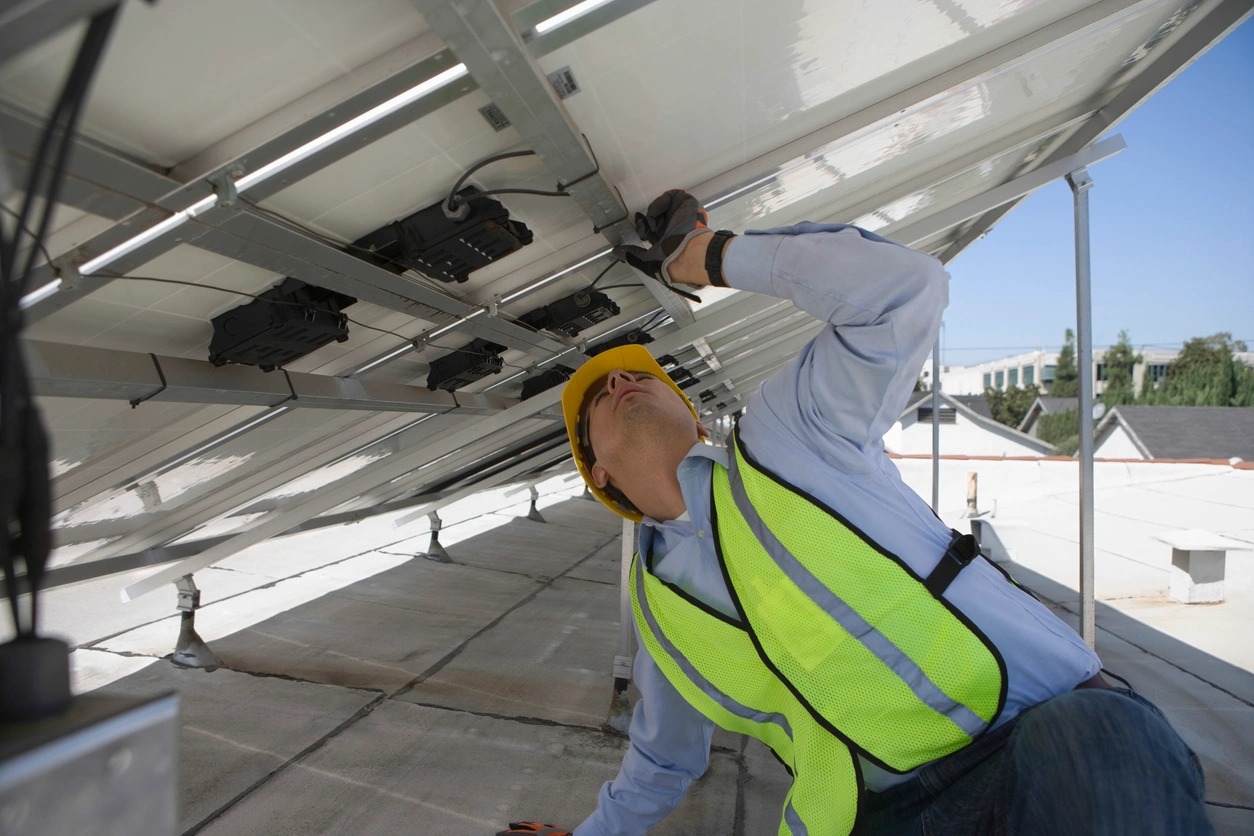
Professional service is appropriate when inverter errors repeatedly return, the system shuts down unexpectedly, unusual noises develop, overheating alerts appear, or solar production declines without a clear explanation.
A qualified technician can evaluate operating data, fault history, electrical connections, ventilation, system configuration, and overall solar performance.
Proper diagnosis can determine whether maintenance, repair, or inverter replacement is appropriate. If you are experiencing recurring inverter problems, Contact West Coast Heating, Air Conditioning & Solar to schedule a professional solar-system evaluation.
Frequently Asked Questions
Can summer heat damage a solar inverter?
Solar inverters are designed to operate within specified temperature ranges, but prolonged excessive heat can create additional operating stress. Repeated overheating warnings or shutdowns should be professionally evaluated.
Why does my solar inverter shut down on hot days?
Some inverters may temporarily reduce output or shut down when operating temperatures become too high. Electrical faults, ventilation issues, or other system problems can also cause shutdowns.
Does reduced solar production mean my inverter is failing?
Reduced solar production does not always indicate inverter failure. Changes in weather, panel temperature, shading, debris, electrical conditions, or monitoring performance can also affect system output and should be evaluated before determining the cause.
Can I improve ventilation around my solar inverter?
Keep accessible airflow areas clear and follow the manufacturer's required clearances. Do not modify the enclosure, mounting, or electrical installation without professional guidance.
When should a solar inverter be replaced?
Replacement may be considered when the inverter has repeated failures, significant internal damage, compatibility issues, or is no longer practical to repair. Professional diagnosis should determine the appropriate next step.
Address Solar Inverter Performance Issues Before They Disrupt Your System
Summer heat does not automatically mean your solar inverter will fail, but repeated shutdowns, warning messages, unusual noises, or declining production should not be ignored.
If your inverter is showing signs of trouble, Schedule solar inverter service with West Coast Heating, Air Conditioning & Solar. A professional technician can identify the source of the problem and recommend the appropriate maintenance, repair, or replacement based on your system's condition.
.svg)