

.svg)
.svg)


Why Certain Rooms Stay Warmer Than the Rest of the Home
Some rooms remain uncomfortable even when the main air-conditioning system is running. Upstairs bedrooms, home additions, converted garages, and offices may receive limited conditioned air or absorb more heat because of their location, insulation, windows, or existing ductwork.
In San Diego County, prolonged sunlight and warm summer afternoons can make these temperature differences more noticeable. Lowering the thermostat may cool the rest of the home more than necessary without addressing the room that needs the most attention.
How a Ductless Mini-Split Provides Targeted Cooling
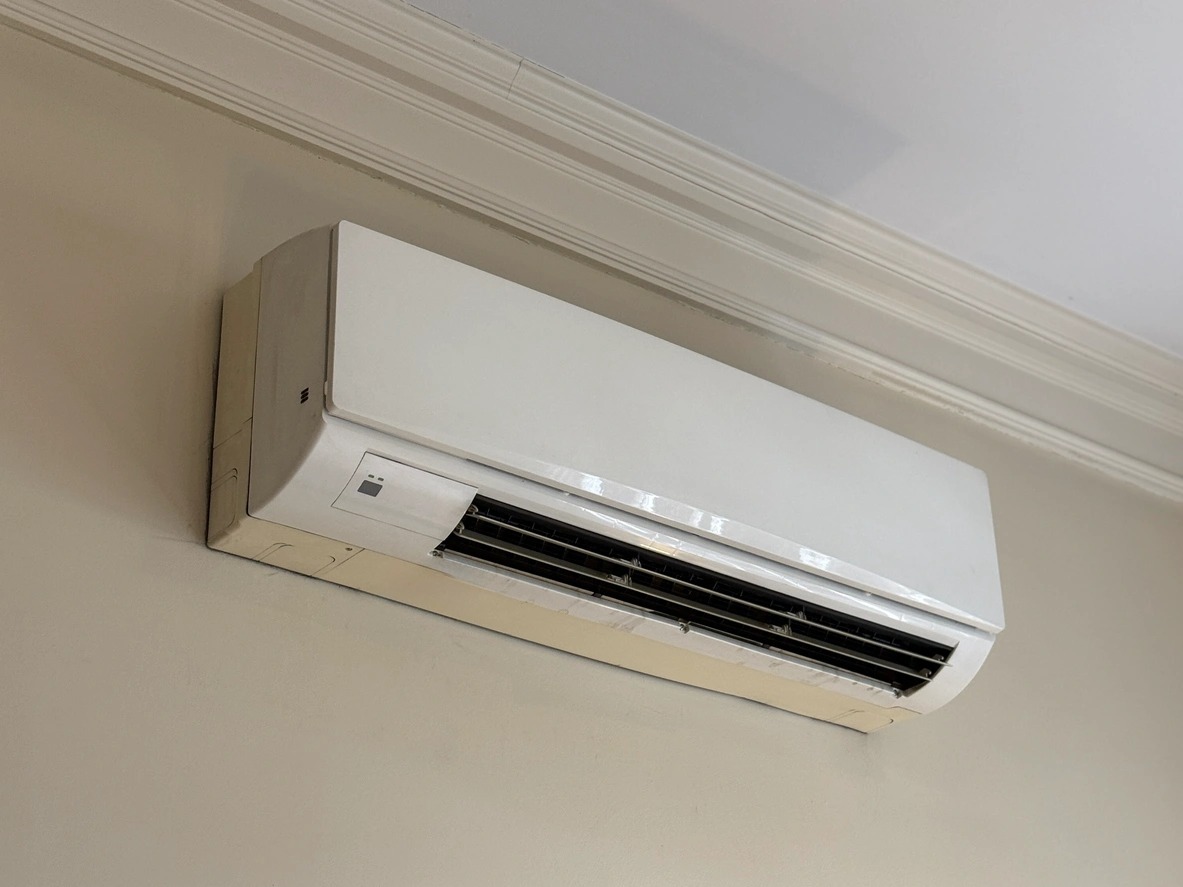
A ductless mini-split connects one outdoor unit to one or more indoor units. Each indoor unit delivers cooling directly to the room it serves without requiring a complete duct system.
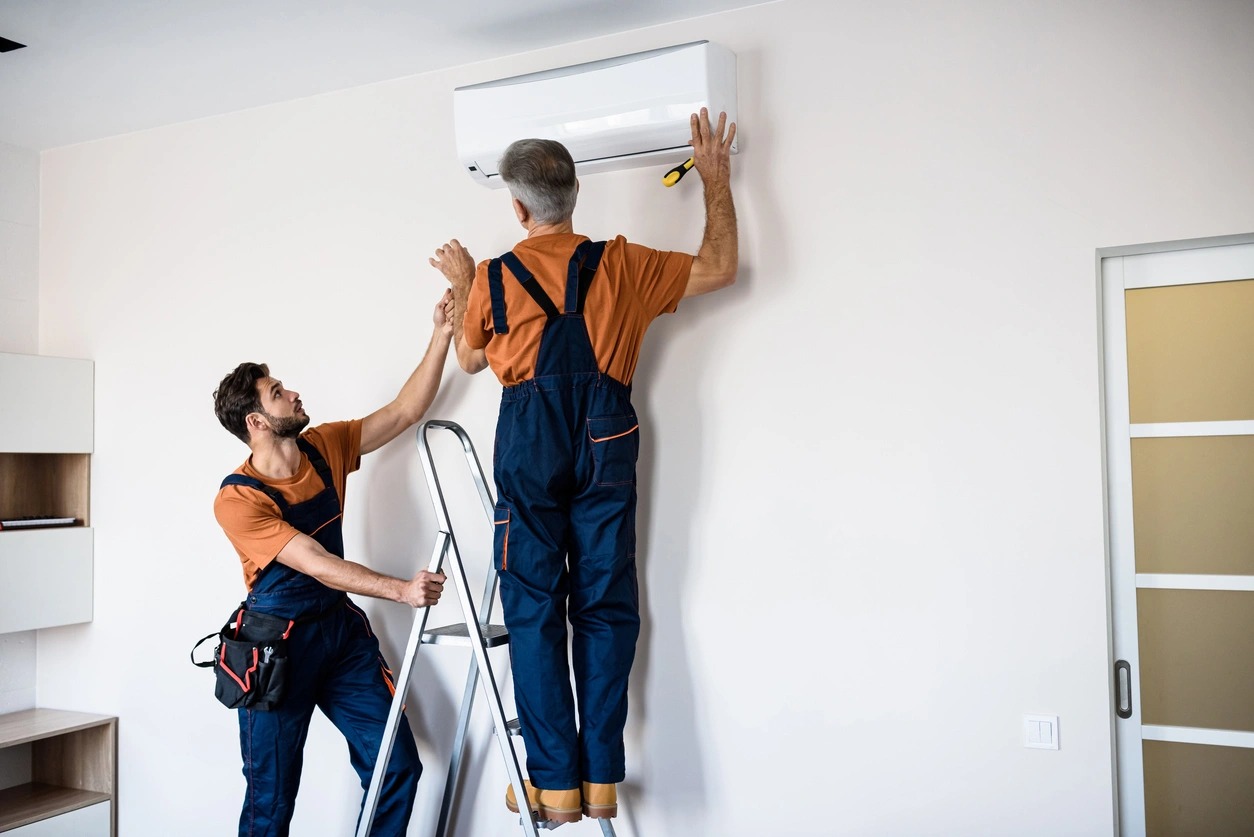
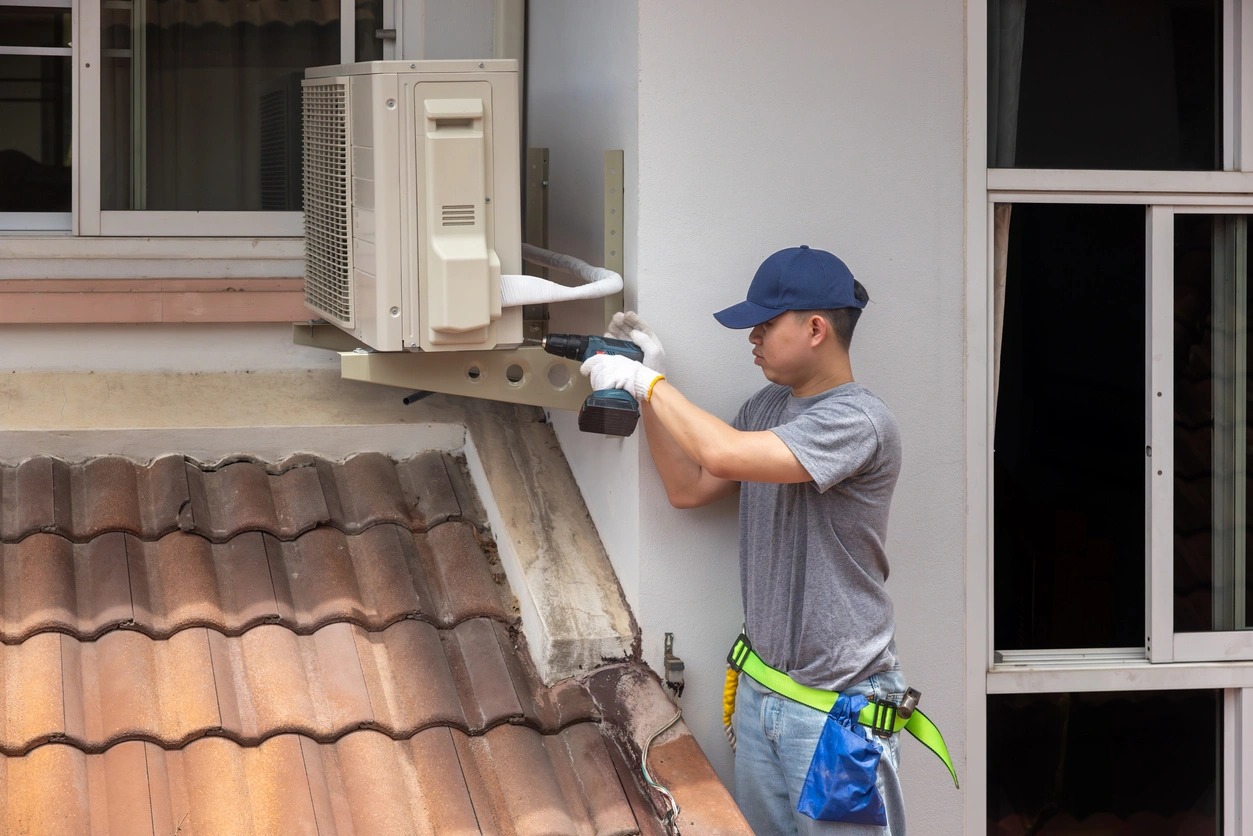
A single-zone system serves one room, while a multi-zone system can manage several areas with separate temperature settings. Professional ductless AC installation helps ensure the equipment is correctly sized and positioned for the home’s layout and cooling needs.
1. Upstairs Rooms Absorb More Heat
Upper-level rooms often stay warmer because the roof and attic collect heat throughout the day. Limited insulation, air leaks, and weak airflow can make the temperature difference more noticeable.
Common signs include:
- Bedrooms remaining warm after sunset
- Uneven temperatures between floors
- Longer AC operation with limited improvement
Insulation and air sealing may help. If one room still needs additional cooling, a Professional mini-split evaluation can determine whether targeted cooling is suitable.
2. Additions May Receive Limited Cooling
Home additions, enclosed patios, and converted garages may not receive enough air from the existing HVAC system. Extending ductwork can also be difficult if the original system was not designed for the added space.
A ductless mini-split provides direct cooling without major duct construction. Before installation, the room’s size, insulation, windows, layout, and intended use should be evaluated.
3. Sunlight and Restricted Airflow Create Hot Spots
Large windows, west-facing walls, limited shade, blocked vents, and closed doors can cause one room to remain warmer than nearby areas.
Closing blinds, sealing air leaks, and keeping vents clear may improve comfort. If the room still stays too warm, Contact West Coast Heating Air Solar & Plumbing to discuss whether a ductless AC system is suitable for the space and where the indoor unit should be installed for effective cooling.
4. Direct Cooling Can Reduce Energy Waste
A mini-split cools the selected room without requiring the main system to lower the temperature throughout the entire home. Direct air delivery may also reduce losses caused by long or poorly insulated duct runs.
Many systems adjust their output as cooling needs change, which may provide:
- Steadier room temperatures
- Fewer temperature changes
- Quieter operation
Actual energy use depends on system efficiency, sizing, insulation, weather, settings, and daily use.
Where Ductless Mini-Splits Work Best
Ductless mini-splits are often suitable for:
- Upstairs bedrooms and bonus rooms
- Home additions and enclosed patios
- Converted garages and workshops
- Home offices and guest rooms
- Older homes with limited ductwork
One indoor unit works best in the open area it serves. Several enclosed rooms may require separate indoor units or a multi-zone design.
Why Professional Mini-Split Installation Matters
Reliable performance depends on correct sizing, equipment matching, unit placement, electrical connections, refrigerant lines, drainage, and system testing.
An oversized unit may cycle too often, while an undersized system may struggle to maintain comfort. Poor placement can also restrict airflow.
A professional evaluation should consider:
- Room size and ceiling height
- Insulation and sun exposure
- Number of required zones
- Indoor and outdoor unit locations
- Electrical and drainage needs
West Coast Heating Air Solar & Plumbing provides Professional ductless AC installation based on the home’s layout, cooling load, and long-term comfort needs.
Frequently Asked Questions
Can a ductless mini-split cool more than one room?
A multi-zone system can cool several rooms through separate indoor units. One indoor unit is most effective in the open area it directly serves.
Does a mini-split replace central AC?
A mini-split may supplement central AC in one difficult room or serve several zones. Whether it can replace the main system depends on the home’s layout and cooling load.
Are mini-splits only useful in homes without ducts?
Mini-splits can also serve additions, garages, offices, upstairs bedrooms, and other rooms that receive limited cooling from existing ductwork.
Can a ductless mini-split provide heating?
Many ductless mini-splits are heat-pump systems that provide both cooling and heating, depending on the selected equipment.
How often should a mini-split be maintained?
Reusable filters should be cleaned according to manufacturer instructions. Professional maintenance is generally recommended once a year to inspect system performance, drainage, electrical components, and refrigerant connections.
Improve Comfort in Rooms That Stay Too Warm
Rooms may remain hot because of attic heat, sun exposure, limited airflow, or insufficient ductwork. A ductless mini-split can provide targeted cooling without changing the temperature throughout the entire home.
Schedule a professional ductless AC evaluation with West Coast Heating Air Solar & Plumbing to determine the correct system capacity, number of zones, and installation approach for reliable summer comfort.
.svg)