
Photovoltaic Systems Installation in La Mesa, CA
Harnessing the power of the sun is a smart investment for homeowners in sunny La Mesa. Installing photovoltaic (PV) systems, commonly known as solar panels, is a proven way to significantly reduce your electricity bills, increase your energy independence, and contribute to a cleaner environment. At West Coast Heating Air Solar & Plumbing, we specialize in designing and installing custom solar solutions tailored to the unique needs of La Mesa homes.
With California’s abundant sunshine, particularly in the East County region, a well-designed solar energy system can provide a substantial portion, if not all, of your home’s electricity needs. By generating your own clean energy, you become less reliant on utility companies like SDG&E, protecting yourself from rising electricity rates and enjoying predictable energy costs for decades to come. Beyond the financial benefits, switching to solar power lowers your carbon footprint, enhancing your home’s value and appeal in the La Mesa real estate market.

Installation, maintenance and battery storage
Solar installation
Solar maintenance and repair
Battery storage

What happens when our technician arrives
- We arrive ready to workLicensed, insured, and respectful of your home.
- We show you what we foundYou see the problem and hear what it means in plain language.
- You see the price firstYour options, with labor and parts listed separately, before any work begins.
- We repair, test and clean upWe test the system before we leave and clean up the space.
Current offers
More ways to save on your solar service
Take advantage of our latest offers and get even more value from West Coast.
Why homeowners choose West Coast

Photovoltaic Systems in La Mesa, CA: questions and answers
How does a residential photovoltaic system work?
A home solar energy system is a sophisticated yet reliable setup built to capture sunlight and turn it into usable electricity. Panels mounted on your roof or on ground-based racks contain photovoltaic cells that absorb sunlight and produce direct current (DC) power. An inverter then converts that DC into alternating current (AC), the type every household appliance runs on. Racking, wiring, a monitoring system and a utility meter complete the setup.
What are the main components of a solar PV system?
- Solar panels (PV modules): mounted on the roof or ground-based racks, containing the photovoltaic cells that absorb sunlight.
- Inverter: converts the panels' DC output into the AC electricity your home uses.
- Racking and mounting equipment: securely attaches the panels to your roof structure, engineered to withstand local weather conditions and building codes.
- Wiring and electrical components: connect everything together, including disconnect switches for safety.
- Monitoring system: tracks energy production and performance in real time.
- Utility meter: measures the flow of electricity between your home and the grid.
What happens to the extra electricity my panels produce?
When your solar panels produce more electricity than your home is using, the excess energy is sent back to the grid. Under California’s Net Energy Metering (NEM) rules, specifically NEM 3.0 for systems interconnected after April 14, 2023, you receive credits for that excess energy. The crediting rate is based on an “Avoided Cost Calculator” rather than the full retail rate.
Is battery storage worth considering under NEM 3.0?
Because exported power is no longer credited at the full retail rate, using more of your own solar power at home matters more than it used to. Optimizing self-consumption or adding battery storage is increasingly beneficial for maximizing savings, and we take NEM 3.0 into account when we design your system.
What are the steps of the solar installation process?
Our process is designed for clarity, efficiency, and peace of mind:
- Initial consultation and site assessment
- Custom system design
- Permitting and approvals
- Professional installation
- Inspection and activation
- Monitoring and support
Choosing us means partnering with experienced local professionals who understand the specific requirements and opportunities in La Mesa.
Is the solar consultation free, and what do you look at?
Yes. We begin with a free, no-obligation consultation at your home. Our experts assess your roof and shading, review your energy usage history from your SDG&E bills, and discuss your energy goals and budget before any design work starts.
More questions
How do you size and design my system?
Based on the site assessment, we design a solar system specifically sized and configured to meet your home’s energy needs and maximize production on your property, taking NEM 3.0 implications into account. We select high-quality solar panels and equipment known for performance and durability.
Do I need microinverters or power optimizers?
Every system needs an inverter to change the panels' DC power into AC. Modern systems often use microinverters attached to individual panels, or power optimizers, to maximize energy output even if some panels are shaded. If parts of your roof see shade during the day, this is something we weigh carefully when we choose your equipment during the design stage.
Who handles the solar permits in La Mesa?
We do. Navigating the local permitting process is crucial, so we handle all necessary applications and documentation with the City of La Mesa’s Building Department and SDG&E, making sure your project complies with all local regulations and utility requirements. The city also provides resources on residential solar permitting to help streamline this step.
What happens on installation day?
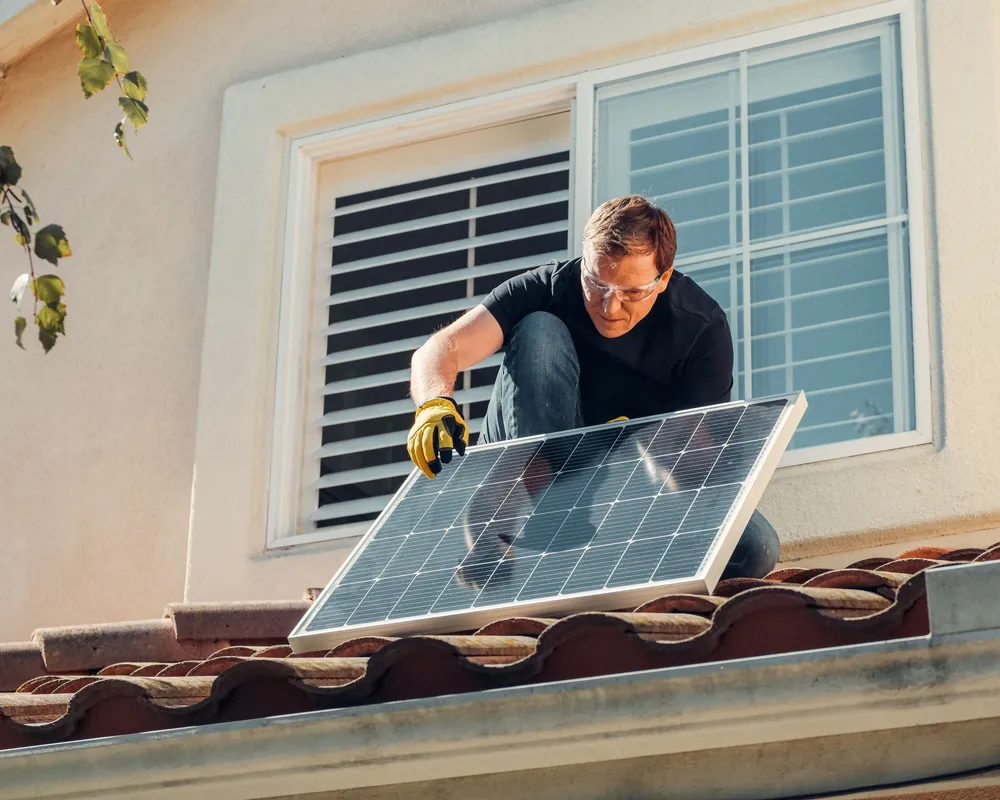
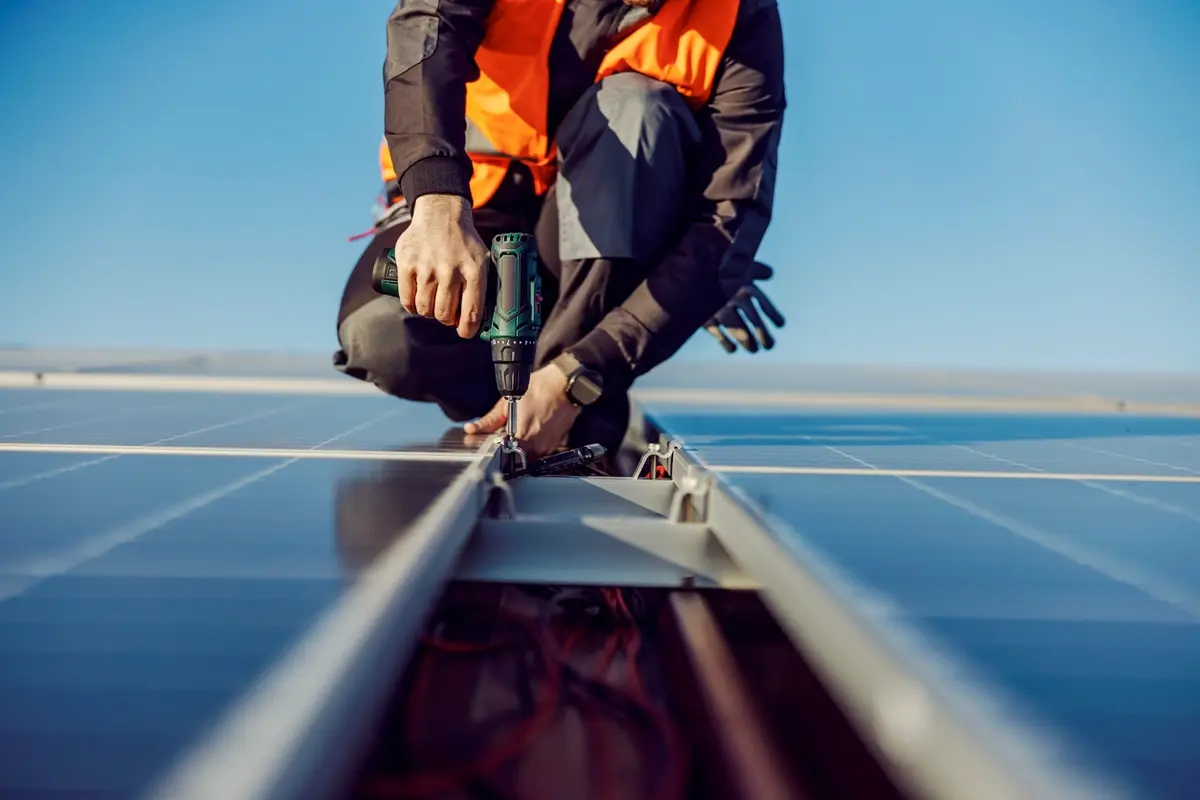
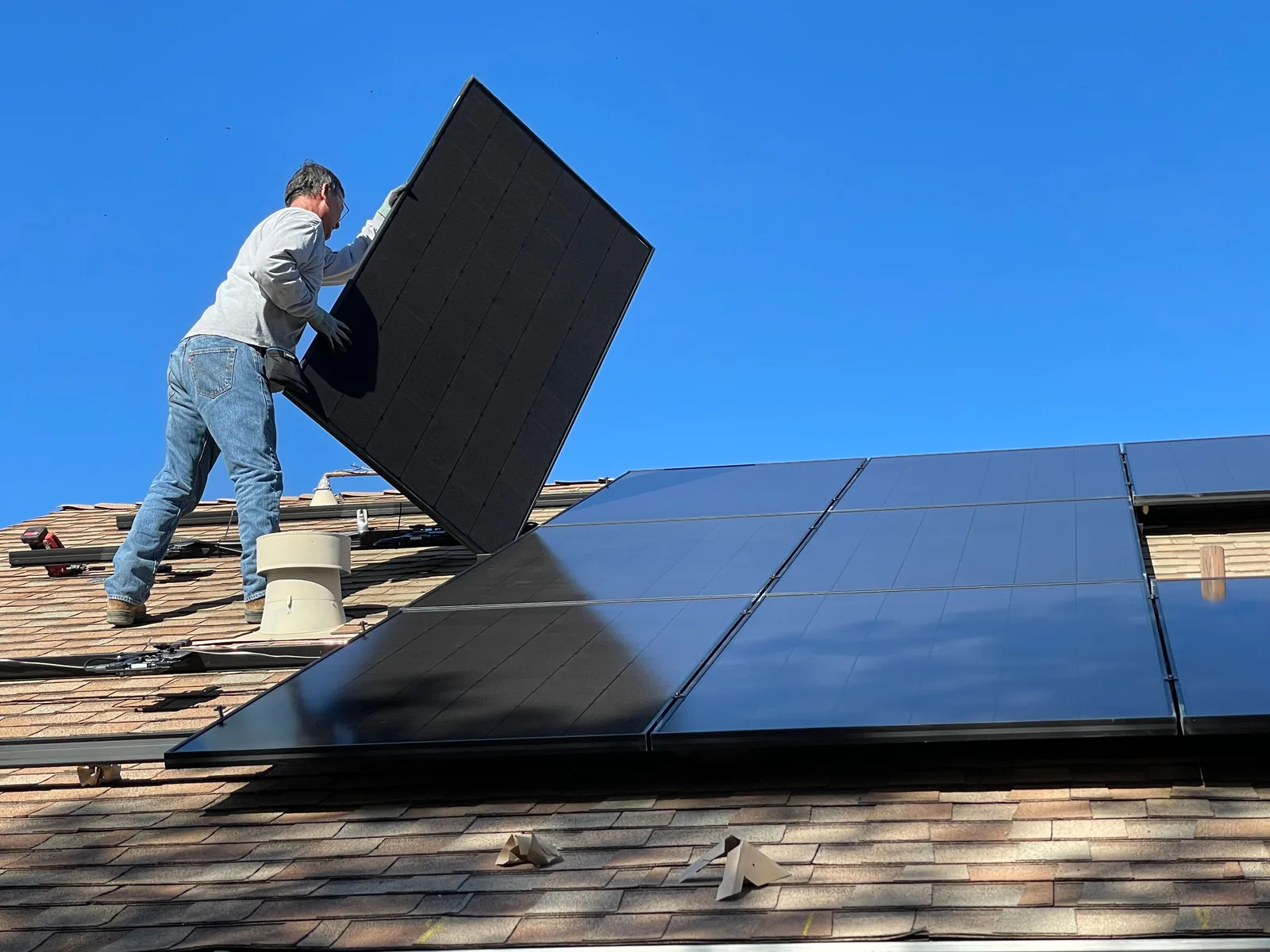
Our certified and experienced installers carefully mount the racking, install the panels, connect the wiring, and set up the inverter and monitoring system. We pride ourselves on clean, efficient work with minimal disruption to your daily routine.
When can I start using my solar power?
Once installation is complete, the system is inspected by the city and SDG&E. A new meter, often a net meter, is installed by SDG&E to measure the flow of electricity between your home and the grid. After final utility approval, your system is interconnected to the grid and you can officially flip the switch and start generating your own clean energy.
Can I track my system's production after installation?
Yes. The monitoring system lets you track your system’s energy production and performance in real time from a computer or smartphone app. We set it up and show you how to use it, and our team remains available for any questions or support you need after installation.
The West Coast Club covers all of this
Plans from $10 a month. Pick the systems you want covered and it pays for itself on the first visit.
- Annual tune-ups on heating, cooling, solar or plumbing
- 10% off all repairs
- $0 diagnostic fees and priority scheduling
- $100 annual replacement credit
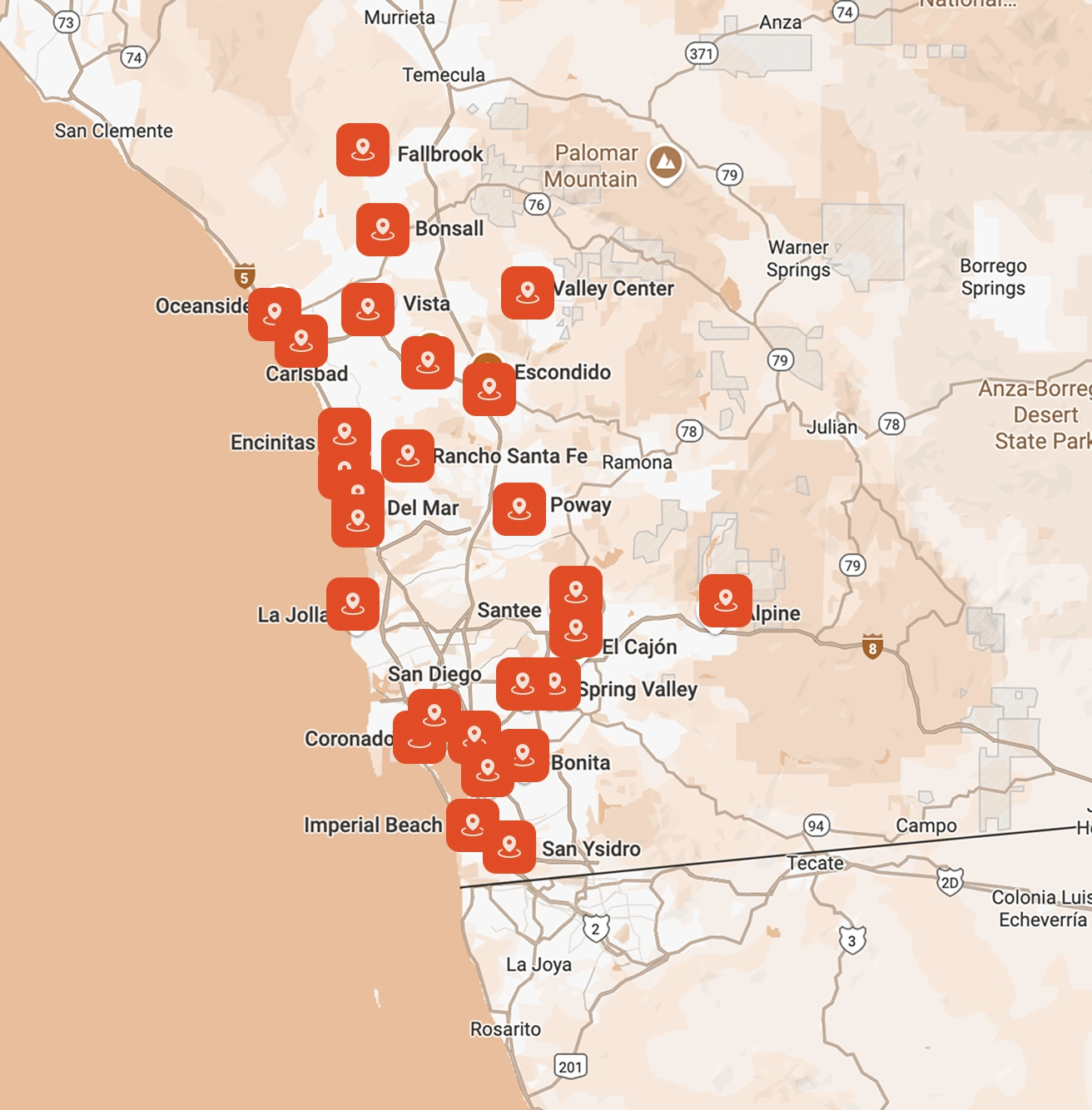
Where we provide solar service
Central & East County
North County
South Bay & Coast