
Cut El Cajon Energy Bills with Solar Power & Boost Property Value
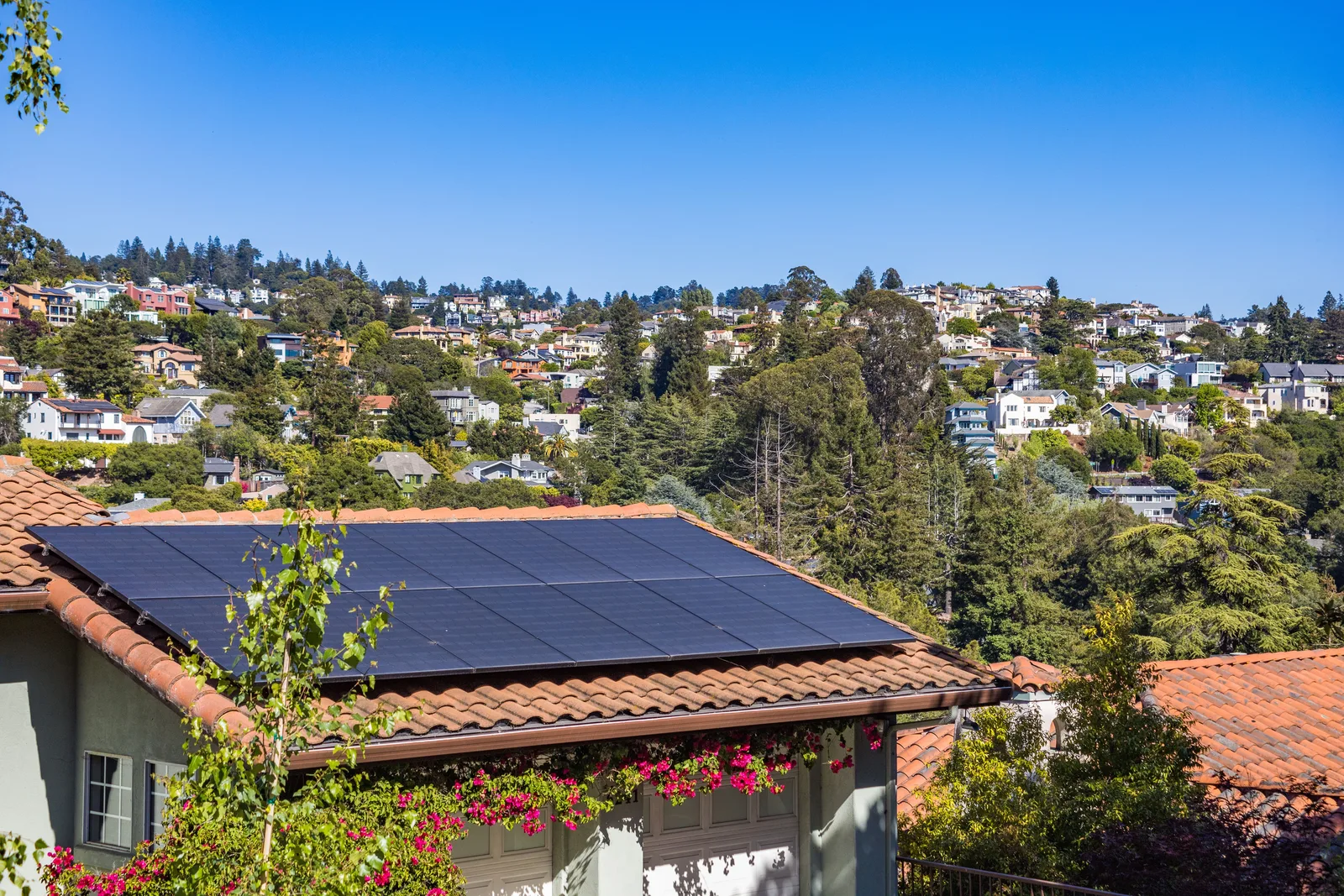
El Cajon homeowners know the value of sunshine, not just for enjoying the outdoors, but for its incredible potential to power your home and significantly reduce high energy bills from SDG&E. Installing a residential Solar Panel Installation Service system is more than just an upgrade; it’s an investment in lower monthly costs, increased property value, and greater energy independence.
At West Coast Heating Air Solar & Plumbing, we specialize in designing and installing reliable solar power systems tailored specifically for the unique needs and sunny climate of El Cajon and the surrounding areas. We’re here to help you harness the power of the sun.

Installation, maintenance and battery storage
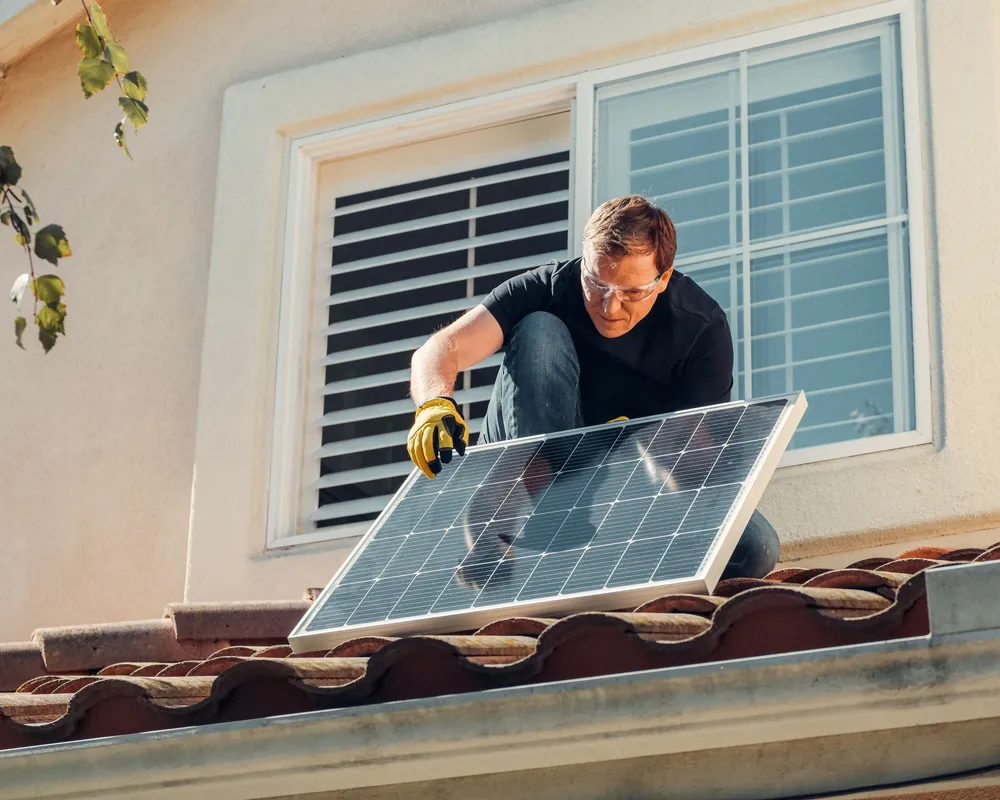
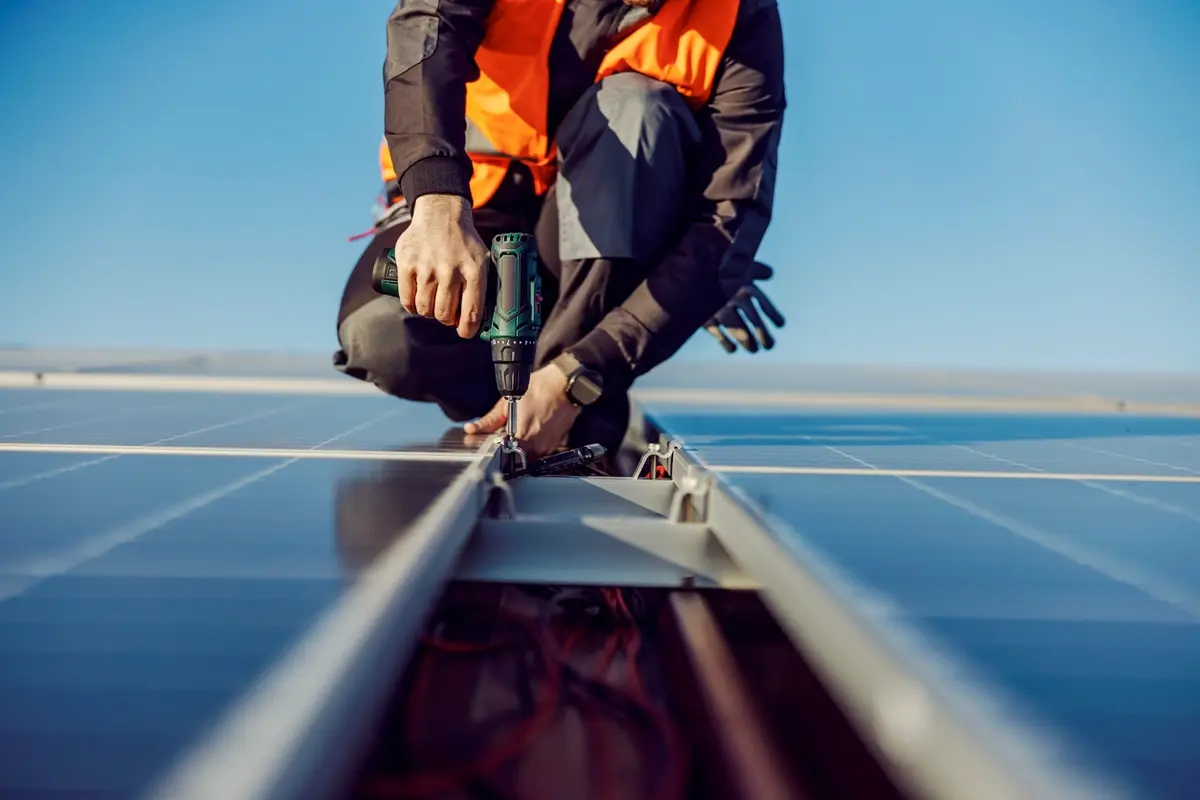
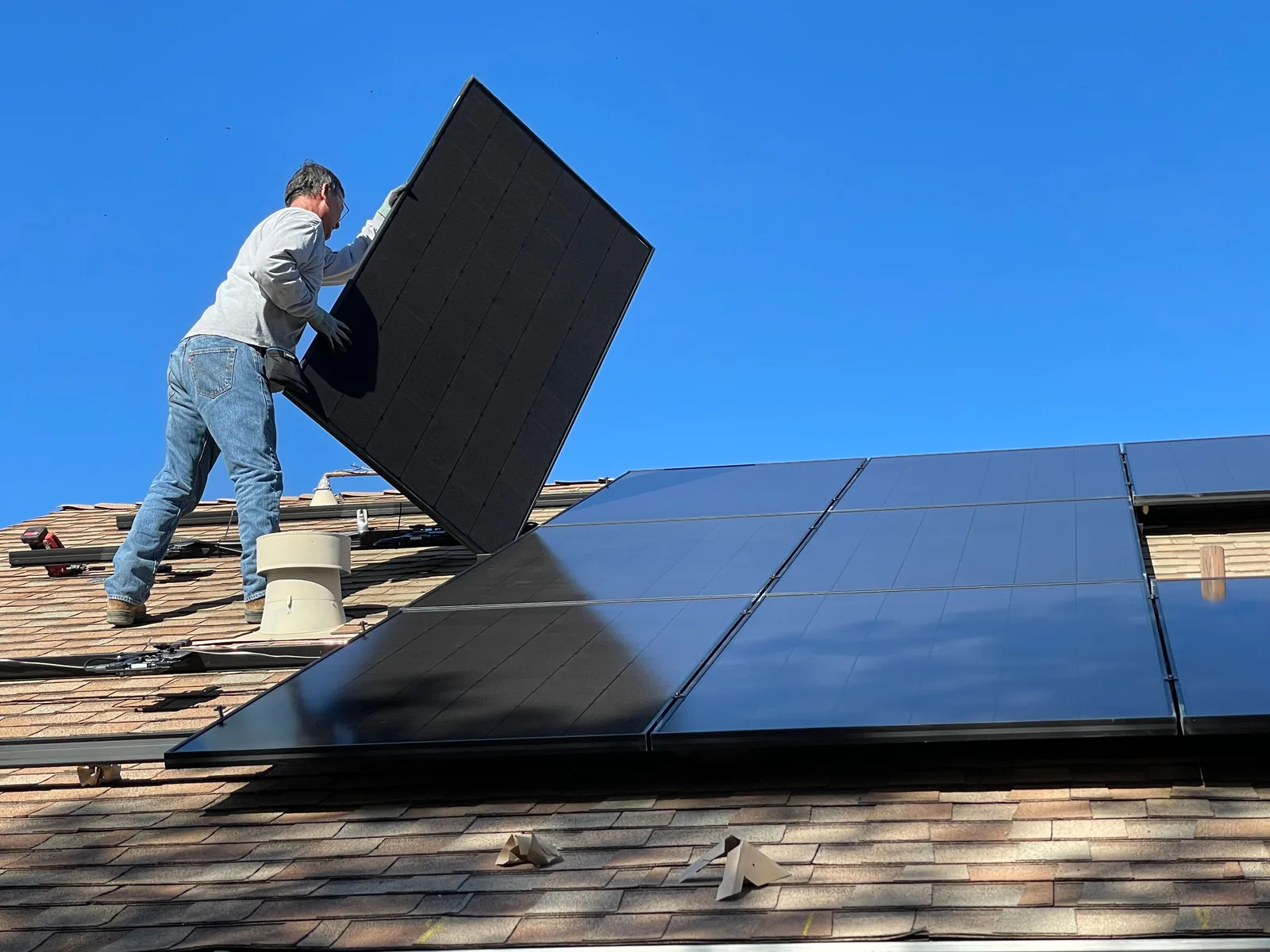
Solar installation
Solar maintenance and repair
Battery storage

What happens when our technician arrives
- We arrive ready to workLicensed, insured, and respectful of your home.
- We show you what we foundYou see the problem and hear what it means in plain language.
- You see the price firstYour options, with labor and parts listed separately, before any work begins.
- We repair, test and clean upWe test the system before we leave and clean up the space.
Current offers
More ways to save on your solar service
Take advantage of our latest offers and get even more value from West Coast.
Why homeowners choose West Coast

Frequently Asked Questions About Solar in El Cajon
Is getting solar worth it in El Cajon with SDG&E?
Yes, despite changes like NEM 3.0, solar remains a highly valuable investment in El Cajon. With high electricity rates from SDG&E, generating your own power leads to significant savings. Pairing solar with battery storage is now crucial for maximizing these savings under NEM 3.0 by optimizing energy usage and reducing reliance on the grid during expensive peak hours.
How much does solar cost for a house in El Cajon?
The cost varies based on system size, equipment, and installation complexity. For a typical home, costs per watt are in line with the San Diego County average. We provide a detailed, personalized quote after a site assessment to give you an accurate cost for your specific needs.
How long does solar panel installation take?
Once permits are approved, the physical installation typically takes just 1-3 days for a standard residential system. The overall timeline from initial consultation to system activation depends on design and permitting times but is usually a few weeks.
What is NEM 3.0 and how does it affect me?
NEM 3.0 is the current policy for how SDG&E credits solar owners for excess energy sent to the grid. It reduces the export credit rate compared to previous policies. For new solar owners, this makes adding battery storage highly beneficial to store excess solar energy during the day and use it later, rather than exporting it for a lower credit.
Can solar panels power my home during a blackout?
A standard grid-tied solar system will shut off during a blackout for safety reasons. However, if you include battery storage with your system, the battery can provide backup power to critical circuits in your home during grid outages.
What is a Residential Solar Power System?
A residential solar power system is a clean energy solution installed on your home, typically on the roof or ground-mounted, that converts sunlight into usable electricity. The core components of a system include:
- Solar Panels (Photovoltaic Panels): These are made up of solar cells that capture sunlight and convert it into direct current (DC) electricity.
- Inverter: This crucial device converts the DC electricity from the panels into alternating current (AC) electricity, which is the type used by all the appliances in your home.
- Racking and Mounting: The structure that securely holds the solar panels in place, designed to withstand local weather conditions.
- Electrical Panel: Your home’s existing electrical panel is where the solar system connects to distribute power throughout your house.
- Metering: A utility meter tracks the electricity your system produces and how much energy you use from the grid.
- Battery Storage (Optional, but increasingly recommended): A battery stores excess solar energy generated during the day for use later, particularly after sunset or during grid outages.
More questions
How Solar Power Systems Work
The process is straightforward and efficient:
- Solar panels capture sunlight and convert it into DC electricity.
- The inverter transforms the DC electricity into usable AC electricity.
- This AC electricity then powers your home’s lights and appliances directly.
- If your system produces more electricity than your home is currently using, the excess can be sent back to the grid (under net metering rules) or stored in a connected battery system for later use.
- When your solar panels aren’t producing enough power (like at night or on cloudy days), your home automatically draws electricity from the utility grid or the stored energy in your battery.
Understanding Solar Costs in El Cajon
The cost of installing a solar power system in El Cajon varies depending on several factors, primarily the size of the system needed (which depends on your energy consumption and roof space), the type of equipment chosen, and the complexity of the installation. While costs have decreased significantly over the years, you can expect typical residential systems in the San Diego County area to range based on system size.
Factors influencing your final cost include:
- Your average monthly electricity usage.
- The amount of suitable roof space or available ground area.
- The type and quality of solar panels and inverter technology selected.
- Whether you choose to include battery storage (highly recommended, especially with NEM 3.0).
- Any necessary electrical upgrades or roof repairs.
We offer various Financing options to make going solar accessible and affordable for El Cajon homeowners.
Choosing the Right Solar System Size
Determining the correct size for your solar system is key to maximizing your benefits. We analyze your past energy bills to understand your average consumption. Combined with factors like your roof space and potential future energy needs (like adding an electric vehicle or heat pump), we recommend a system size designed to offset a significant portion, if not all, of your electricity usage, ensuring you get the most value from your investment.
The West Coast Club covers all of this
Plans from $10 a month. Pick the systems you want covered and it pays for itself on the first visit.
- Annual tune-ups on heating, cooling, solar or plumbing
- 10% off all repairs
- $0 diagnostic fees and priority scheduling
- $100 annual replacement credit
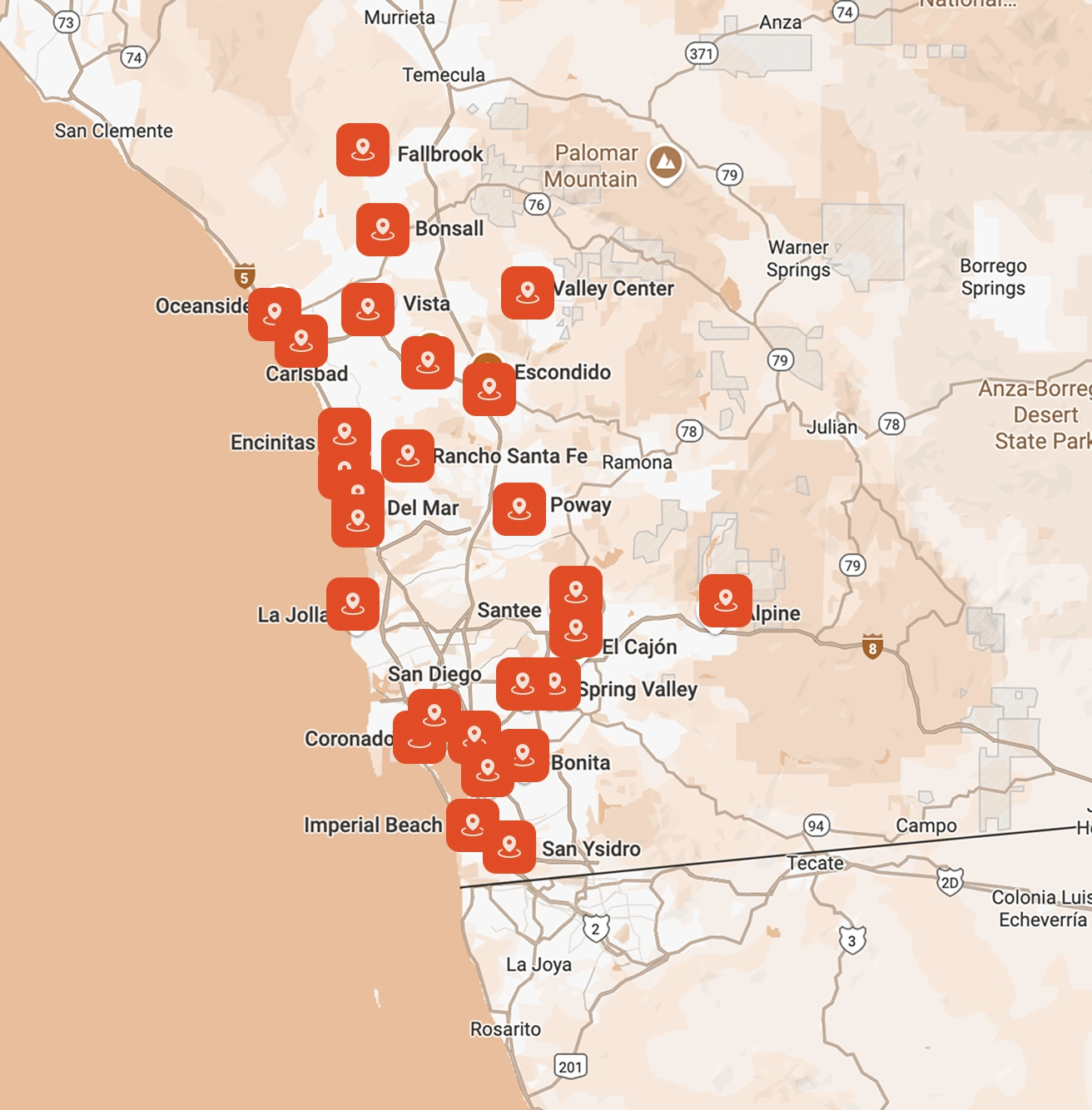
Where we provide solar service
Central & East County
North County
South Bay & Coast